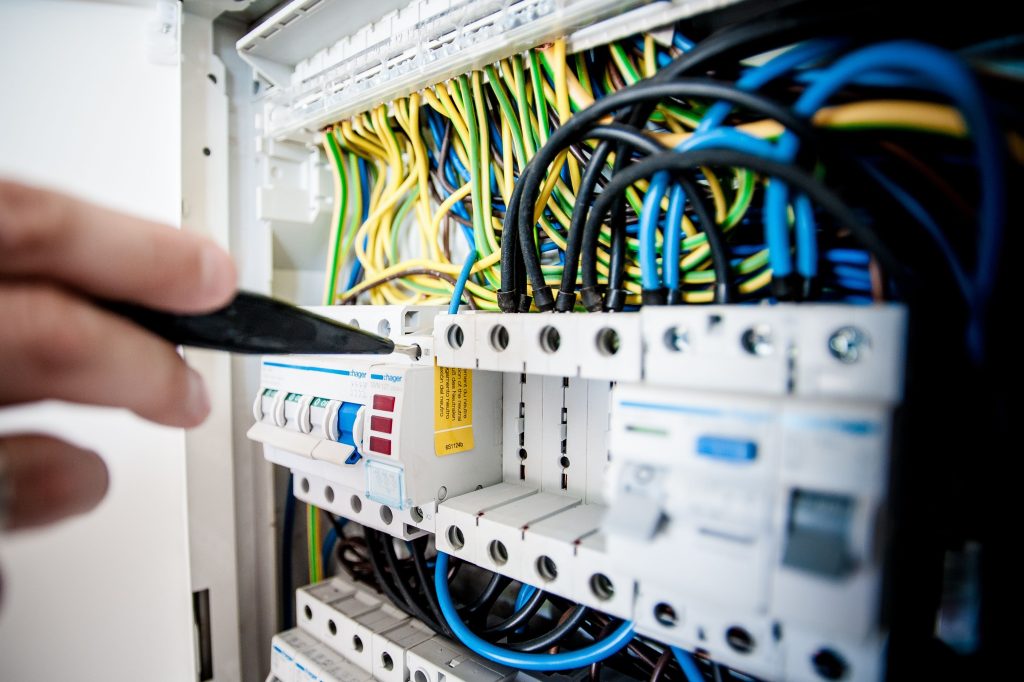
PAT Testing in Managed Blocks of Flats – Why It Matters
In blocks of flats and managed residential buildings, electrical safety goes far beyond fixed wiring. Many communal areas contain portable electrical equipment that, if left unchecked, can pose serious safety risks.
This is where PAT testing becomes essential. For property managers, working with reliable PAT testing companies helps ensure compliance, reduce liability, and protect residents and contractors alike.
What Is PAT Testing?
Portable Appliance Testing (PAT) is the inspection and testing of electrical appliances to ensure they are safe for continued use. It applies to any equipment that:
- Plugs into a socket
- Is movable or portable
- Is used in communal or shared areas
PAT testing complements EICRs by focusing on appliances rather than fixed wiring.
Common Appliances in Blocks of Flats That Require PAT Testing
Property managers are often surprised by how many items fall under PAT testing responsibilities, including:
Communal & On-Site Equipment
- Cleaners’ vacuum cleaners and floor polishers
- Communal kettles or microwaves
- Portable heaters or fans
- Dehumidifiers
Contractor & Building Equipment
- Contractor unit appliances left on site
- Power tools stored in plant rooms
- Temporary site equipment
Fixed-but-Plugged Equipment
Even items that aren’t regularly moved still require testing if they are plugged in, such as:
- TV systems in communal lounges
- Door entry and intercom amplifiers
- Booster systems and control units
Why PAT Testing Is Especially Important for Property Managers
1. Fire & Electric Shock Risk Reduction
Faulty appliances are a common cause of electrical incidents. Damaged cables, internal faults, or failed insulation can go unnoticed without testing.
Regular PAT testing identifies these risks before they lead to:
- Fires in communal areas
- Injury to cleaners, contractors, or residents
- Costly emergency callouts
2. Clear Duty of Care
Property managers have a responsibility to ensure any electrical equipment they provide is safe.
PAT testing provides:
- Documented evidence of maintenance
- Proof of compliance with health and safety obligations
- Protection in the event of an accident or claim
3. Insurance Compliance
Many insurers expect PAT testing to be carried out on communal appliances. If an incident occurs and no testing records exist, insurance claims can be:
- Delayed
- Reduced
- Rejected
Using reputable PAT testing companies helps ensure documentation meets insurer expectations.
4. Cleaner & Contractor Safety
Cleaners and maintenance contractors often use appliances daily. Regular testing:
- Reduces workplace risk
- Demonstrates responsible property management
- Helps avoid disputes over responsibility if equipment fails
How Often Should PAT Testing Be Carried Out?
Testing frequency depends on:
- Type of appliance
- Environment (communal areas vs plant rooms)
- Frequency of use
Typical intervals include:
- High-use cleaning equipment: Annually (or more frequently if heavily used)
- Low-use communal equipment: Every 1–2 years
A risk-based approach is always recommended.
Why Use Professional PAT Testing Companies?
Using experienced PAT testing companies ensures:
- Correct classification of appliances
- Appropriate testing methods
- Clear pass/fail labelling
- Comprehensive reports for compliance records
For property managers overseeing multiple sites, this consistency is invaluable.
PAT Testing for Property Managers in Essex, Kent & London
In managed residential buildings, PAT testing is a small but vital part of a wider electrical safety strategy. It helps:
- Reduce risk
- Maintain compliance
- Protect residents, staff, and contractors
- Support insurance and audit requirements
Need reliable PAT testing support?
If you’re responsible for communal areas across Essex, Kent, or London, working with professional PAT testing companies helps keep your sites safe, compliant, and well managed.