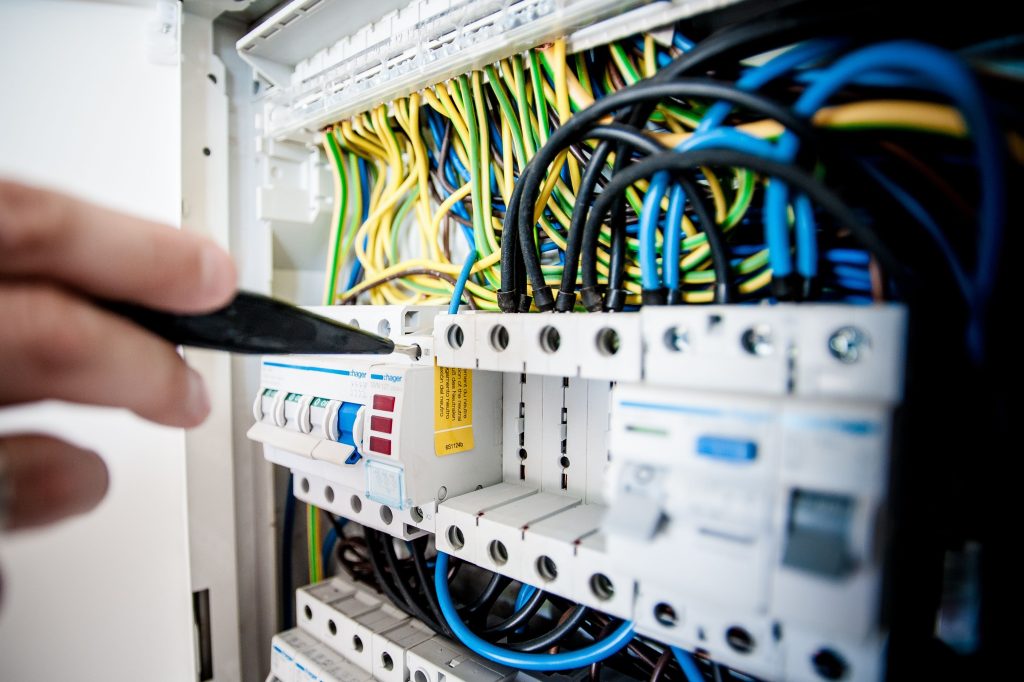
What Is an EICR?
An EICR (Electrical Installation Condition Report) is a formal assessment of the fixed electrical installation within a property. It identifies whether the installation is safe for continued use and highlights any defects that could pose a risk to occupants or the building.
For property managers, EICRs are a critical part of electrical compliance across blocks of flats, communal areas, and managed commercial sites.
Why Are EICRs Important for Property Managers?
Electrical systems deteriorate over time due to age, usage, and environmental factors. Without regular inspection, faults can remain hidden until they cause disruption, damage, or injury.
An up-to-date EICR helps property managers:
- Meet legal and safety obligations
- Reduce fire and electric shock risks
- Plan maintenance budgets more effectively
- Protect landlords, managing agents, and freeholders
What Does an EICR Actually Check?
An EICR focuses on the fixed wiring and associated electrical equipment, including:
- Distribution boards and protective devices
- Cabling condition and routing
- Earthing and bonding arrangements
- RCD protection
- Signs of overheating, damage, or wear
- Compliance with current safety standards
It does not cover portable appliances — these are assessed separately through PAT testing.
Understanding EICR Observation Codes
One of the most important parts of an EICR is the coding system, which highlights the severity of any issues found:
- C1 – Danger Present
Immediate risk. Urgent remedial action required. - C2 – Potentially Dangerous
Faults that could become dangerous if left unresolved. - C3 – Improvement Recommended
Not unsafe, but falls below current standards. - FI – Further Investigation Required
More detailed testing needed before conclusions can be made.
For property managers, any C1 or C2 observations result in an unsatisfactory report, meaning action must be taken.
How Often Should EICRs Be Carried Out?
Typical inspection intervals for managed properties include:
- Communal areas in blocks of flats: Every 5 years
- Commercial premises: Every 5 years (or sooner depending on usage)
- Change of occupancy or significant alterations
The exact frequency should be determined through risk assessment and property use.
Legal & Insurance Considerations
While legislation varies depending on the property type, property managers have a duty of care to ensure electrical installations are safe.
EICRs provide:
- Evidence of compliance
- Documentation for insurers
- Protection in the event of incidents or claims
Insurers increasingly request valid EICRs as part of policy requirements.
Why EICRs Help Reduce Long-Term Costs
Regular EICRs allow property managers to:
- Identify issues before they become failures
- Schedule repairs proactively
- Avoid emergency callouts
- Reduce tenant complaints and downtime
This makes electrical maintenance more predictable and cost-effective.
EICRs for Property Managers in Essex, Kent & London
Managing multiple sites means consistency is key. Using experienced electricians who understand managed properties ensures:
- Clear, actionable reports
- Minimal disruption to residents
- Practical recommendations rather than unnecessary upgrades
Need an EICR for a managed property?
If you manage properties across Essex, Kent, or London, arranging regular EICRs is one of the most effective ways to maintain compliance and protect your assets.