What Is a 3-Hour Drain Down Test?
A 3-hour drain down test is the most important functional test of an emergency lighting system. Unlike a monthly flick test, this assessment confirms that emergency lights can remain illuminated for the full rated duration during a power failure.
For most managed residential and commercial buildings, that duration is three hours.
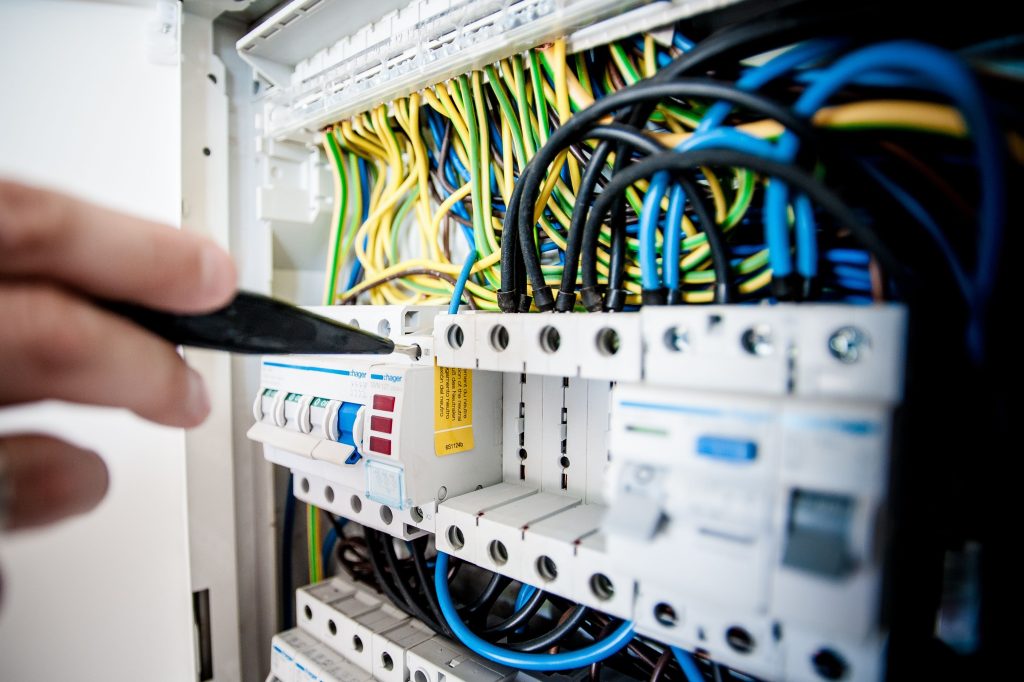
This test must be carried out by competent emergency lighting electricians.
Why Monthly Flick Tests Aren’t Enough
Monthly flick tests only confirm that fittings switch on when the power is interrupted. They do not prove that:
- Batteries will last the required duration
- Light output remains sufficient
- The system will perform during a prolonged outage
A fitting can pass a flick test and still fail within minutes during a real emergency.
Why 3-Hour Testing Is Critical for Property Managers
1. Life Safety Compliance
In a real incident — fire, power outage, or evacuation — occupants may need emergency lighting for an extended period.
The 3-hour test ensures:
- Escape routes stay illuminated
- Stairwells and corridors remain safe
- Residents can evacuate calmly and safely
2. Battery Condition Verification
Emergency lighting batteries degrade over time, even if the lights appear to function normally.
A full drain down test identifies:
- Weak or failing batteries
- Fittings that cut out early
- Reduced light output over time
This allows faults to be rectified before they become critical.
3. Compliance With British Standards
British Standards require:
- Monthly functional testing (flick tests)
- Annual full duration testing (typically 3 hours)
For property managers, failing to carry out full duration testing can result in:
- Non-compliance
- Issues during audits or fire risk assessments
- Problems with insurers following incidents
4. Avoiding Last-Minute Failures
Without annual drain down testing, faults often only appear:
- During fire risk assessments
- Ahead of inspections
- After an incident has already occurred
Regular testing allows property managers to plan remedial works instead of reacting under pressure.
What Happens During a 3-Hour Test?
A competent emergency lighting electrician will:
- Isolate the normal power supply
- Allow emergency lights to run for the full 3 hours
- Check light levels and operation
- Record any failures or reduced performance
- Restore power and confirm recharge indicators
All results should be documented for compliance records.
Why This Test Must Be Carried Out by Electricians
Unlike monthly flick tests, a full drain down test:
- Requires safe isolation procedures
- Can impact large areas of a building
- Needs technical knowledge to interpret failures
Using professional emergency lighting electricians ensures:
- Accurate results
- Safe working practices
- Clear, actionable reports
3-Hour Emergency Lighting Testing in Essex, Kent & London
For property managers responsible for communal areas and multiple sites, annual 3-hour testing is essential to:
- Protect residents
- Maintain compliance
- Satisfy insurers
- Reduce long-term risk
Proactive testing also supports better budgeting and maintenance planning.